
Holistic Self Care Rituals for Sustainable Health and Vitality
Supporting your health through simple, sustainable self care
Self care doesn’t need to be time-consuming, expensive, or perfectly planned. It can be made up of small, supportive rituals that fit into your everyday life — helping you feel more balanced, energised, and connected to yourself.
If you’ve been feeling stretched or depleted, there is another way to care for your wellbeing. One that feels realistic, steady, and sustainable. And that doesn’t involve waking up at 5am…
Rethinking self care
Self care is often misunderstood. It’s easy to associate it with something indulgent, occasional, or separate from daily life — something you do when everything else is finished. A spa day, or a weekend away. But for many women, that moment rarely comes.
In reality, holistic self care isn’t about adding more to your to-do list or creating the “perfect” routine. It’s about supporting your physical, mental, and emotional wellbeing in small, consistent ways.
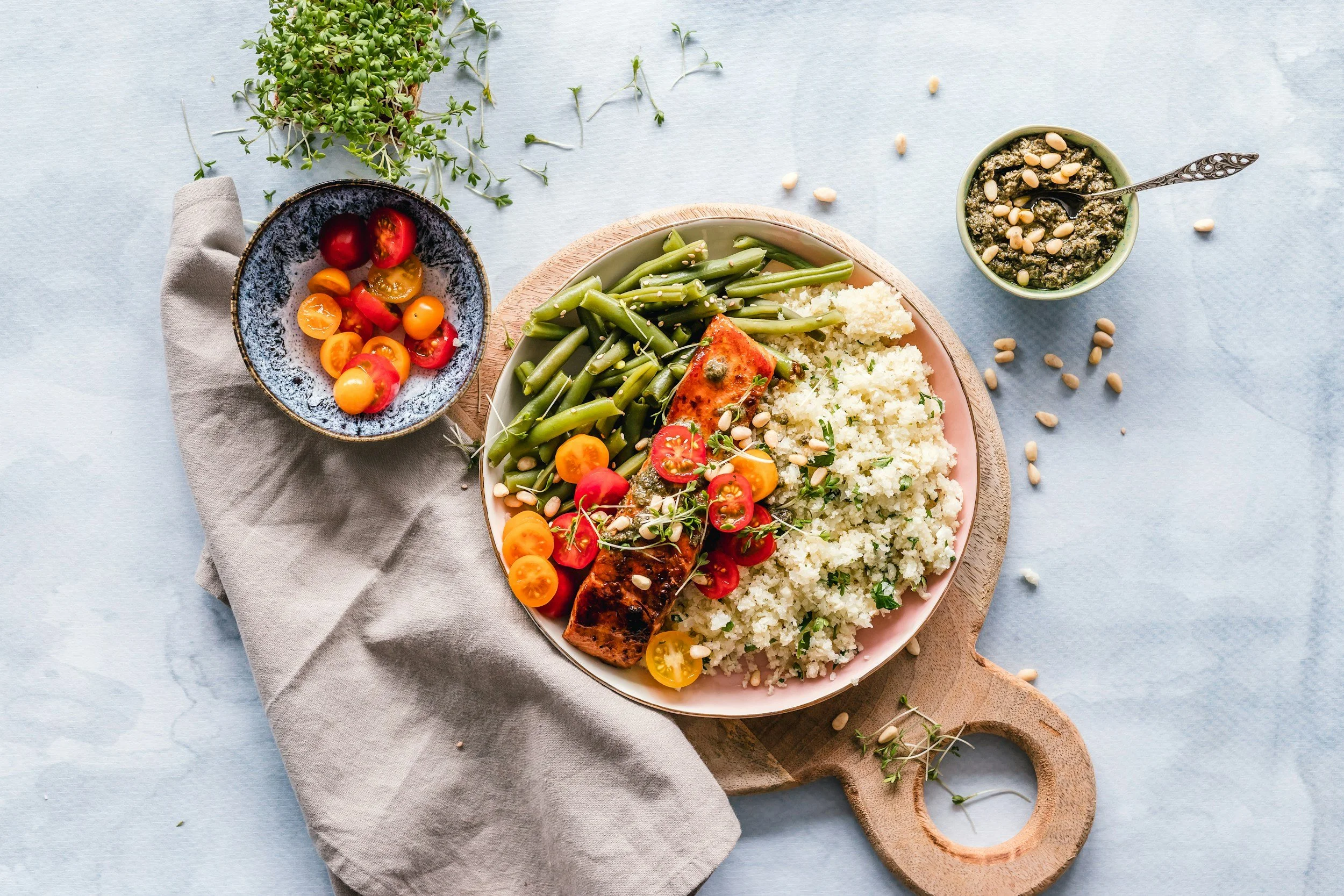
It might look like eating regularly, resting when you need to, or noticing when your energy is low — simple things that are often overlooked.
This approach to self care for women removes pressure, comparison, and the idea that you need to get everything right. Instead, it brings the focus back to what you need, in your real life, as it is now.
I support women in building this kind of sustainable self care — alongside nutrition, sleep, movement, stress, and daily habits — so that wellbeing feels integrated, rather than something extra to manage.
Who holistic self care is for
This approach may resonate if you:
Feel run down or low in energy
Often put other people’s needs before your own
Find it difficult to prioritise your wellbeing
Feel disconnected from your body or your energy levels
Want more balance, but not at the cost of adding more to your day
What holistic self care really looks like
Holistic self care is often much simpler than it sounds. At its core, it’s about meeting your basic needs consistently — not perfectly, but regularly enough to support your wellbeing.
This might include:
Eating in a way that supports your energy
Moving your body in a way that feels appropriate
Allowing time for rest and recovery
Responding to stress with support rather than pressure

These small, everyday actions form the foundation of sustainable self care. Rather than relying on occasional bursts of motivation or one-off efforts, it’s the steady rhythm of these habits that makes the difference over time.
There’s no one-size-fits-all approach. Your self care rituals for health will look different from someone else’s — and they may change as your life, energy, and priorities shift. The idea is to build your personal self-care toolbox, filled with things that work for you
How holistic self care coaching works
Holistic wellbeing coaching offers a space to step back and look at the bigger picture of your health. Together, we explore your current routines, habits, and energy levels, where you may be feeling depleted, what is already supporting you
From there, the focus is on creating simple, realistic self care rituals that fit into your life — not routines that feel rigid or overwhelming.
This might mean:
Adjusting how your day flows so there’s space for rest
Finding ways to support your energy more consistently
Building habits that feel natural rather than forced
A key part of this holistic lifestyle support is integration. Self care isn’t added on top of everything else — it’s woven into what you’re already doing, so it becomes part of your daily rhythm.
With ongoing support, there’s space to reflect, adjust, and evolve these practices over time, so they remain supportive as your needs change.
Examples of self care rituals in everyday life
Self care doesn’t need to look a certain way to be effective. It often shows up in quiet, practical ways that support your body and mind throughout the day.
Nourishing meals and eating regularly can help stabilise energy and reduce that sense of running on empty.
Gentle movement — or allowing rest when needed — can support both physical and mental wellbeing without adding pressure.
Sleep and recovery rituals, even simple ones, can help signal to your body that it’s safe to slow down.
Supporting your nervous system through small pauses, breathing space, or moments of quiet can make a noticeable difference over time.
And setting gentle boundaries around your time, energy, and expectations can help protect the capacity you have.
These are not rules or checklists. They are options — small ways of caring for yourself that can be adapted to your life.
Coaching options
There are different ways to begin exploring holistic self care, depending on what feels right for you.
My Healthy Habits MOT is a focused starting point to explore lifestyle patterns and find gentle ways to add self-care to your days.
1:1 Health Coaching - for ongoing personalised support to improve sleep and restore energy
I am based in Roslin, Scotland. Most sessions take place online, offering flexibility and ease, wherever you are based. In-person sessions may be available locally on request. Sessions can also be offered in French if that is preferable to you.
Why holistic self care supports long term health and vitality
When self care becomes part of your everyday life, it begins to support you in a deeper, more sustainable way.
You may notice:
More steady, reliable energy
Greater resilience to stress
A stronger sense of connection to your body
Increased confidence in meeting your own needs
These changes don’t come from doing more. They come from doing things differently — with more awareness, more consistency, and more support.
Holistic self care isn’t about getting everything right. It’s about creating a way of living that supports your wellbeing over time.
Take the next step
If you’d like to explore how holistic self care could look in your life, you’re warmly invited to take the next step.
Book a free 30-minute discovery call — a space to talk things through and see what kind of support might feel right for you. No pressure.