

How to Build Balanced Meals That Actually Keep You Full
Why Your Meals Aren’t Keeping You Full
If you often feel hungry soon after eating, you’re not alone. Many women tell me they’re eating “healthy” but they’re still snacking between meals, thinking about food shortly after eating and struggling with cravings.
The issue is rarely willpower. It’s usually meal structure. Fullness is not about eating more food. It’s about eating the right combination of nutrients.
This is where balanced meals make all the difference.
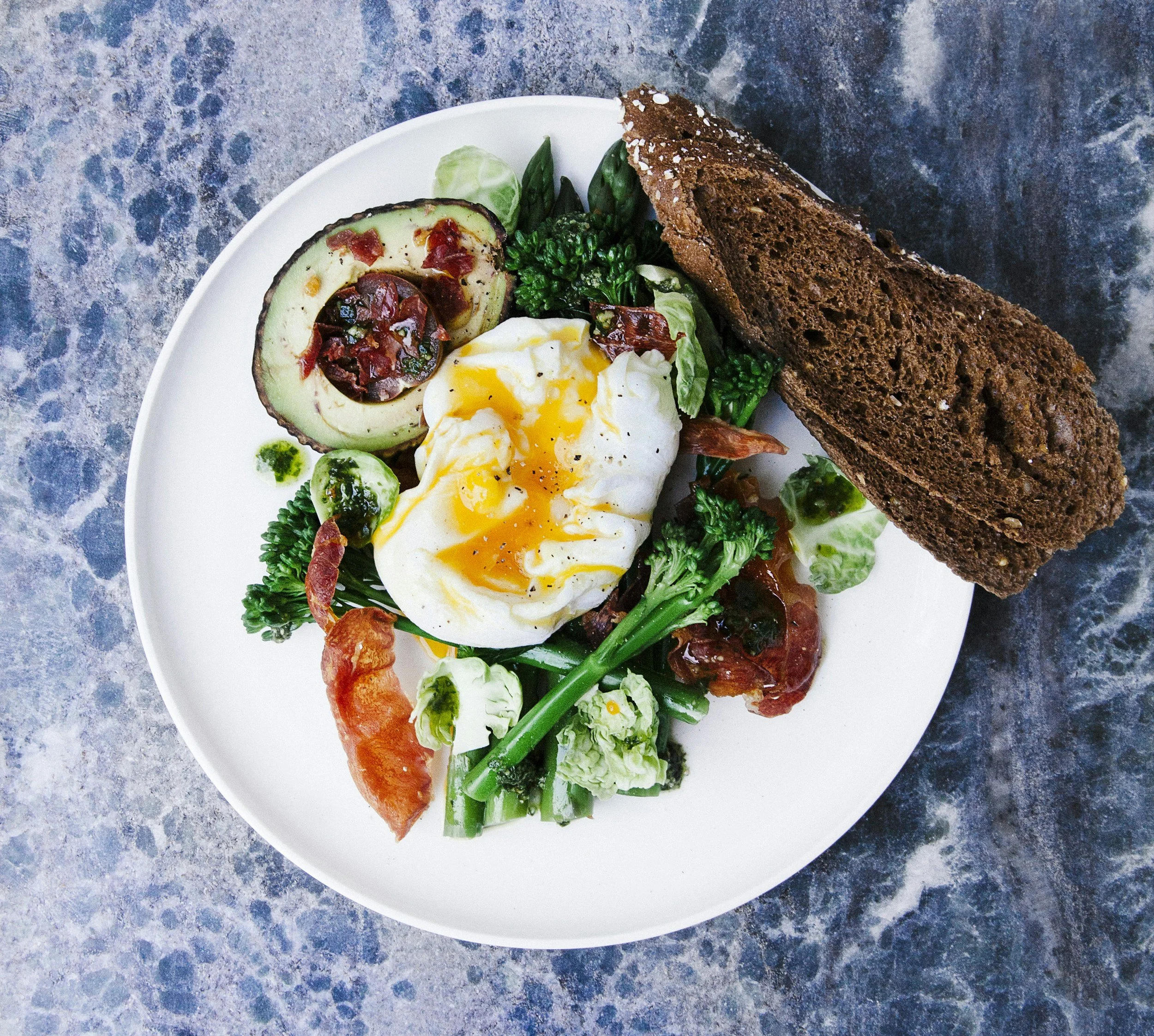
When meals contain the right mix of protein, fibre and healthy fats, your body feels satisfied, your energy stays stable and cravings reduce naturally — without restriction or calorie counting.
Let’s break it down simply.
The 3 Essentials of Balanced Meals
A truly balanced meal includes three key components: protein, fibre and healthy fats
1. Protein
Protein is the foundation of satiety. It helps keep you full for longer, reduce cravings, support muscle maintenance and stabilise energy levels
Without enough protein, meals digest quickly — which often leads to hunger returning sooner than expected.
Good sources include: eggs, Greek yoghurt, chicken, fish, tofu, lentils, tempeh, cottage cheese, quinoa
2. Fibre (Important for Digestive Health)
Fibre slows digestion, supports digestive health, and helps you feel fuller for longer. It also supports gut function, promotes regular bowel movements and helps stabilise blood sugar.
Fibre-rich foods include vegetables, fruits, whole grains, beans, lentils, nuts and seeds.
Many meals lack fibre, which is one of the main reasons people feel hungry again too quickly.
3. Healthy Fats
Healthy fats add satisfaction and help meals feel complete. They slow digestion, improve satiety, and support hormone health.
Sources include avocado, olive oil, nuts, seeds, oily fish and natural nut butters.
When protein, fibre and healthy fats work together, fullness improves significantly.
Why You’re Still Hungry After Eating
If you frequently feel hungry after meals, it’s usually due to one of these reasons:
Low Protein Meals
A meal centred mainly around carbohydrates (for example, toast, cereal or pasta without adequate protein) may be digested quickly and leave you hungry sooner.
Lack of Fibre
Meals without vegetables, whole grains or plant foods often fail to keep you satisfied.
Blood Sugar Spikes and Crashes
Highly refined or sugary meals can cause rapid rises in blood sugar, followed by a drop — which can trigger hunger, cravings and fatigue. Balanced meals help prevent this cycle.
Blood Sugar and Energy Stability
You do not need to fear carbohydrates. The key is combining them with protein, fibre and healthy fats. When meals are balanced, blood sugar rises more gradually, energy feels steadier, cravings reduce, and you feel satisfied for longer
When meals are high in sugar or low in protein, energy may spike briefly, then hunger returns quickly, and snacking increases.
Balanced meals create stability — which is far more effective than restriction.
What a Balanced Plate Looks Like
A simple visual guide: make half the plate vegetables or fibre-rich foods, one quarter protein, one quarter whole-food carbohydrates. Add a small amount of healthy fats.
Examples
Breakfast - Greek yoghurt + Berries + Seeds
Lunch - Grilled chicken + Mixed salad vegetables + Olive oil dressing + Wholegrain bread or quinoa
Dinner - Salmon or tofu + Roasted vegetables + brown rice + drizzle of olive oil
Balanced meals do not need to be complicated. They just need structure.
Simple Swaps That Make a Big Difference
You do not need to overhaul your diet. Small adjustments can transform fullness.
Turn a Snack Into a Balanced Meal
Fruit + Greek yoghurt
Apple + nut butter
Crackers + cheese
Adding protein changes everything.
Upgrade Common Meals
Instead of toast alone, have avocado and/or eggs on it.
Instead of pasta with sauce only, add chicken or lentils, and vegetables to your pasta
These small additions significantly improve satisfaction. Balanced meals are not about eating more. They are about eating strategically.
Why Personalised Nutrition Matters
While balanced meals follow a simple framework, individual needs vary. Some women require a higher protein intake, more fibre, adjustments for digestive health, support with cravings, or structure for busy schedules
Working with a qualified health coach can help you tailor this framework to your lifestyle and goals. Through structured nutrition consultation, personalised planning, and consistent guidance, you can build habits that feel natural rather than restrictive.
If you are looking for a health and nutrition coach, I can help you understand your body’s needs, build balanced meals with confidence, improve your energy levels, reduce cravings and create sustainable routines that fit your lifestyle.
I believe that balanced eating should feel achievable, not overwhelming. I help women simplify nutrition into clear, practical steps that lead to long-term results.
Fullness Comes From Balance, Not Restriction
If you are constantly hungry, snacking often, or unsure how to structure meals, the solution is not eating less. It is building balanced meals.
When you include adequate protein, fibre-rich foods and healthy fats, you support fullness, stable energy and overall wellbeing — without calorie counting or extreme dieting. Once you understand the basics, balanced meals become simple.
If you want support building meals that actually keep you full, working with a health coach can help you create a personalised and sustainable approach that fits your life.
Frequently Asked Questions
What makes a meal balanced?
A balanced meal includes a combination of protein, fibre and healthy fats to support fullness and stable energy.
Why do I feel hungry after eating?
This is often due to low protein, insufficient fibre, or meals high in refined carbohydrates that cause blood sugar fluctuations.
Can a nutrition coach help with meal structure?
Yes. A qualified nutrition coach can personalise your approach, help you build balanced meals, and support long-term habit change.