
How to make family mealtimes easier (without spending hours in the kitchen)
Family mealtimes are often portrayed as calm, happy occasions where everyone sits together enjoying a nutritious meal. The reality? Many parents are juggling work, school schedules, activities, and endless to-do lists.
If getting dinner on the table feels stressful, you're not alone.
The good news is that healthy family meals don't need to be complicated. A few simple strategies can make mealtimes easier, less stressful, and more enjoyable for everyone.
Why Family Meals Matter
Research consistently shows that regular family meals are associated with better nutrition, healthier eating habits, and stronger family connections. But the benefits only happen when meals are realistic enough to fit into everyday life.
Perfection isn't the goal. Consistency is.
5 Ways to Make Family Mealtimes Easier
1. Keep a Rotation of Go-To Meals
Instead of trying a new recipe every night, create a list of 10-15 family favourites that you can rotate through each month.
Examples:
Chicken fajita bowls
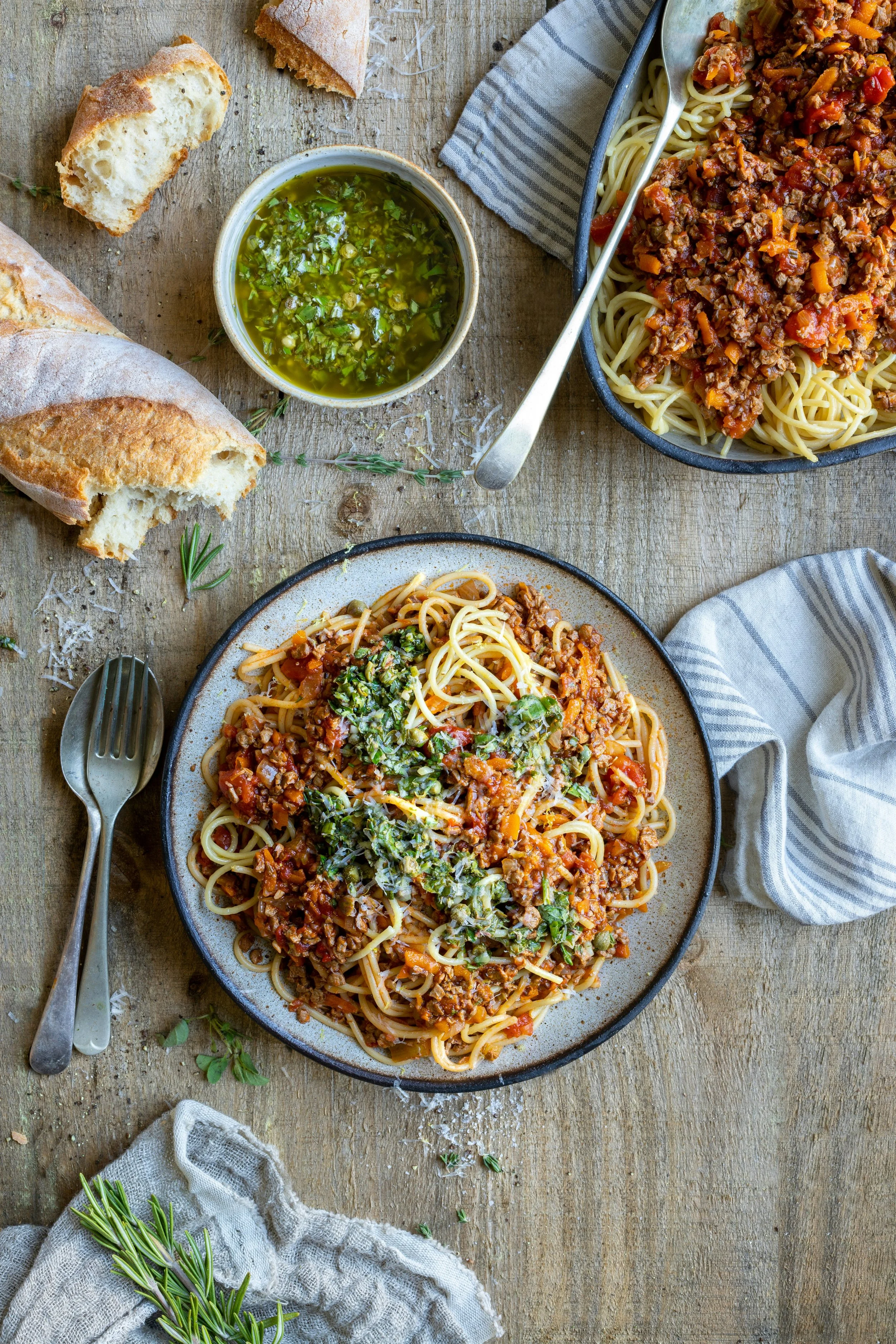
Spaghetti bolognese
Homemade pizzas
Stir-fry with rice
Baked potatoes with toppings
Fish fingers, peas, and sweet potato wedges
Lentil curry with rice
When you already know what works, meal planning becomes much quicker.
2. Build Meals Around a Simple Formula
A balanced meal doesn't need a recipe.
Try using this simple template:
Protein: chicken, fish, eggs, beans, lentils, tofu
Carbohydrates: potatoes, rice, pasta, wraps, bread - ideally wholegrain
Vegetables or salad
Healthy fats: olive oil, avocado, nuts, seeds
Mix and match ingredients you already have at home.

3. Batch Cook Once, Eat Twice
Double recipes whenever possible. Meals that freeze well include chilli, bolognese sauce, soups, curries, casseroles
Your future self will be grateful on busy evenings.
4. Let Everyone Build Their Own Plate
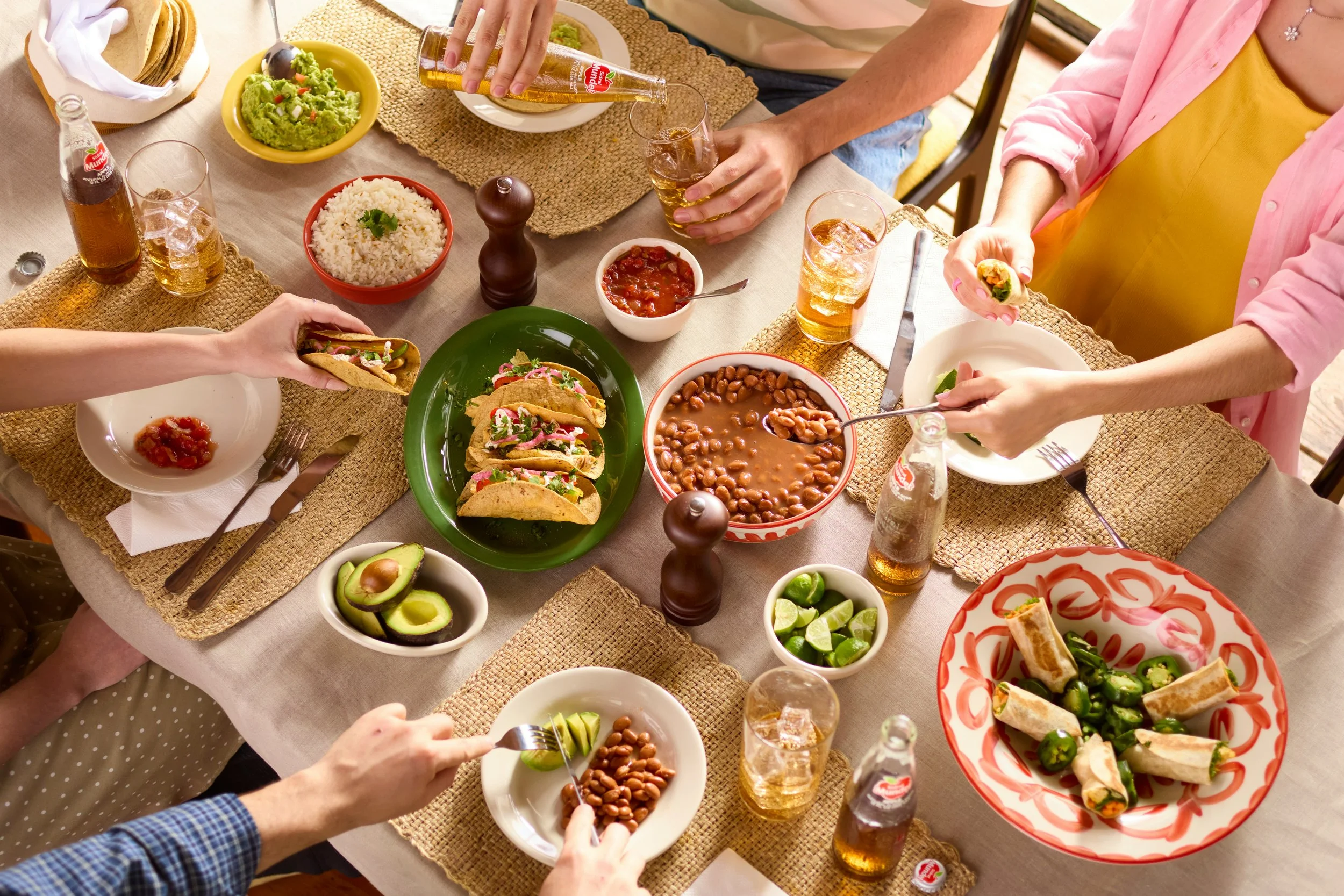
"Build-your-own" meals reduce mealtime battles and give children some independence. The idea is to have minimal preparation and cooking, and to put different fillings/toppings on the table, so that everyone builds their own plate.
Try:
Taco night
Wrap station
Jacket potato bar
Pasta with toppings
Children are often more willing to eat foods they've helped choose and assemble.
5. Lower the Pressure
Not every meal has to be cooked from scratch.
A healthy meal can include freezer and cupboard staples: frozen vegetables, tinned tomatoes, rice pouches, canned beans, soup, wholemeal wraps. Convenience can still be nutritious.
Easy Family Meal Ideas
15-Minute Meals
Egg Fried Rice
Cooked rice
Frozen mixed vegetables
Eggs
Soy sauce
Chicken Wraps
Cooked chicken
Wholemeal wraps
Salad vegetables
Greek yoghurt dressing
Tuna Pasta
Pasta
Tuna
Sweetcorn
Cherry tomatoes
One-Pan Dinners
Chicken and Vegetables Traybake
Chicken breast, potatoes, peppers, onions, and olive oil roasted together.
Sausage Tray Bake
Lean sausages, sweet potatoes, carrots, and broccoli.
Remember: Connection Matters More Than Perfection
The healthiest family meal isn't necessarily the one with the most vegetables or the fanciest recipe. It's the meal that brings people together consistently. If simplifying dinner helps your family eat together more often, that's a win worth celebrating.
Start small. Choose one strategy from this article and try it this week. You may be surprised how much easier family mealtimes can become.
What About Fussy Eaters?
Many parents worry that their child isn't eating enough vegetables or refuses to try new foods. While this can be frustrating, pressure, bribing, or forcing children to eat often makes mealtimes more stressful and can reinforce fussy eating behaviours.
Instead, try these simple strategies:
Keep Offering, Without Pressure
Children often need to see a new food multiple times before they feel comfortable trying it. Continue offering a variety of foods alongside familiar favourites without making a big issue of whether they eat them.
Let Children Decide How Much to Eat
Parents are responsible for providing nutritious meals. Children are responsible for deciding whether to eat and how much. Trusting children to listen to their hunger and fullness cues can help build a healthier relationship with food.
Get Children Involved
Children are often more interested in foods they've helped choose, prepare, or serve. Even young children can wash vegetables, stir ingredients, or help set the table.
Focus on the Mealtime Experience
Family meals are about more than nutrition. They're an opportunity to connect, talk about the day, and enjoy each other's company. When the focus shifts away from what children are eating, mealtimes often become more relaxed for everyone.
Remember, healthy eating habits are built over time. One meal, one day, or even one week doesn't define your child's nutrition. Consistency, patience, and a positive mealtime environment go a long way.