

Sugar and You: understanding and managing sugar cravings

This post was inspired by the recent Midlothian Wellbeing Festival, where I ran a workshop all about sugar cravings. The session sparked so many great questions and conversations that I wanted to share some of the key insights from the presentation here.
What is sugar?
Sugar is a type of carbohydrate that provides quick energy because it is easily and rapidly broken down and absorbed by the body. Sugar occurs naturally in foods like fruit, vegetables and milk.
From an evolutionary perspective, our brains evolved to crave sugar, because it gives us energy quickly, and also because sweet taste was associated with safe food, while bitter foods often signalled toxins or unripe food.
Although our brains still function in the same way, our environment has changed significantly. Sugar is now readily available, and the average person in the UK consumes roughly double the recommended intake.
In our diet, the main sources of sugar are sugary drinks, cakes, biscuits, desserts and sweets, but there is a lot of hidden sugars in foods where we expect them less, such as sauces, protein bars, granola, canned fruit, energy drinks… Sugar often goes by many different names – fructose, sucrose, glucose, syrups, juices, concentrates, molasses, honey, agave nectar, caramel, invert sugar.

The Science behind sugar cravings
Why do we crave sweet things? Apart from our evolutionary drive, eating sugar releases dopamine — the brain’s “feel-good” chemical tied to pleasure and motivation. Your brain quickly learns that sugar equals reward, so even thinking about something sweet can cause a dopamine surge that fuels your craving for more.
Over time, you may need more sugar to get the same level of pleasure, and develop compulsive sugar consumption patterns.
The Impact of Sugar on Health
Excessive sugar consumption is linked to weight gain, insulin resistance, type 2 diabetes, and cardiovascular disease. In everyday life, too much sugar can cause energy spikes and crashes, mood swings, and that familiar “hangry” feeling.
Too much sugar can promote inflammation, disrupt hormone balance, impair sleep quality and may even contribute to acne and premature skin ageing.
How to Curb Cravings
Balancing meals is key: build your plate around good quality protein, healthy fats, complex carbs and fibre. This will help stabilise blood sugar levels, keeping your energy steady and reducing cravings throughout the day.
Start at breakfast: build your breakfast around protein and fibre. Eggs, yoghurt with fruit (add nuts and seeds, nut butters), beans, leftovers from dinner. Use spices like cinnamon and cloves for natural sweetness.
Hit pause when those craving kick in - Are you hungry? Eat something that will truly satisfy you instead of leaving you hungrier an hour later. Yoghurt, fruit, a handful of nuts are healthy options to satisfy your craving. Are you thirsty? Sometimes thirst can be mistaken for hunger. Are you bored, or looking for comfort? I am not blaming you for that, of course, but sometimes just acknowledging it can help gently nudge you towards another option, like going for a walk, calling a friend, or do a quick stretch. Note: Emotional eating and eating disorders are serious health concerns. Please speak with a healthcare professional if you’re struggling with your relationship with food.
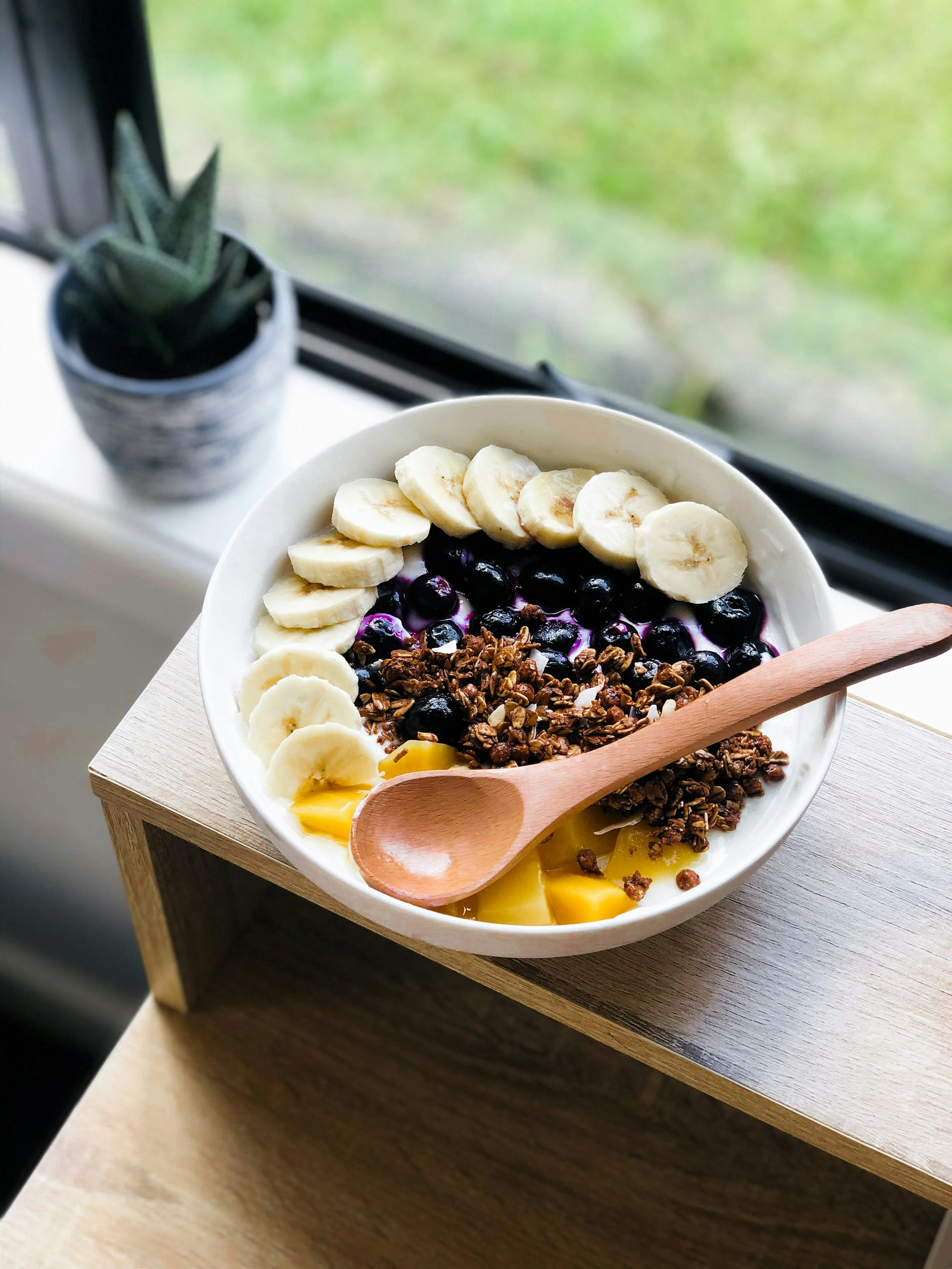
A balanced breakfast helps stabilise blood sugar levels
Other Tips for Managing Sugar Cravings
Design your environment to support healthier choices. Keep healthy snacks visible. Put a bowl of fruit or nuts on the counter.
Read labels carefully. Look for hidden sugars in sauces, breads, granola bars, and drinks.
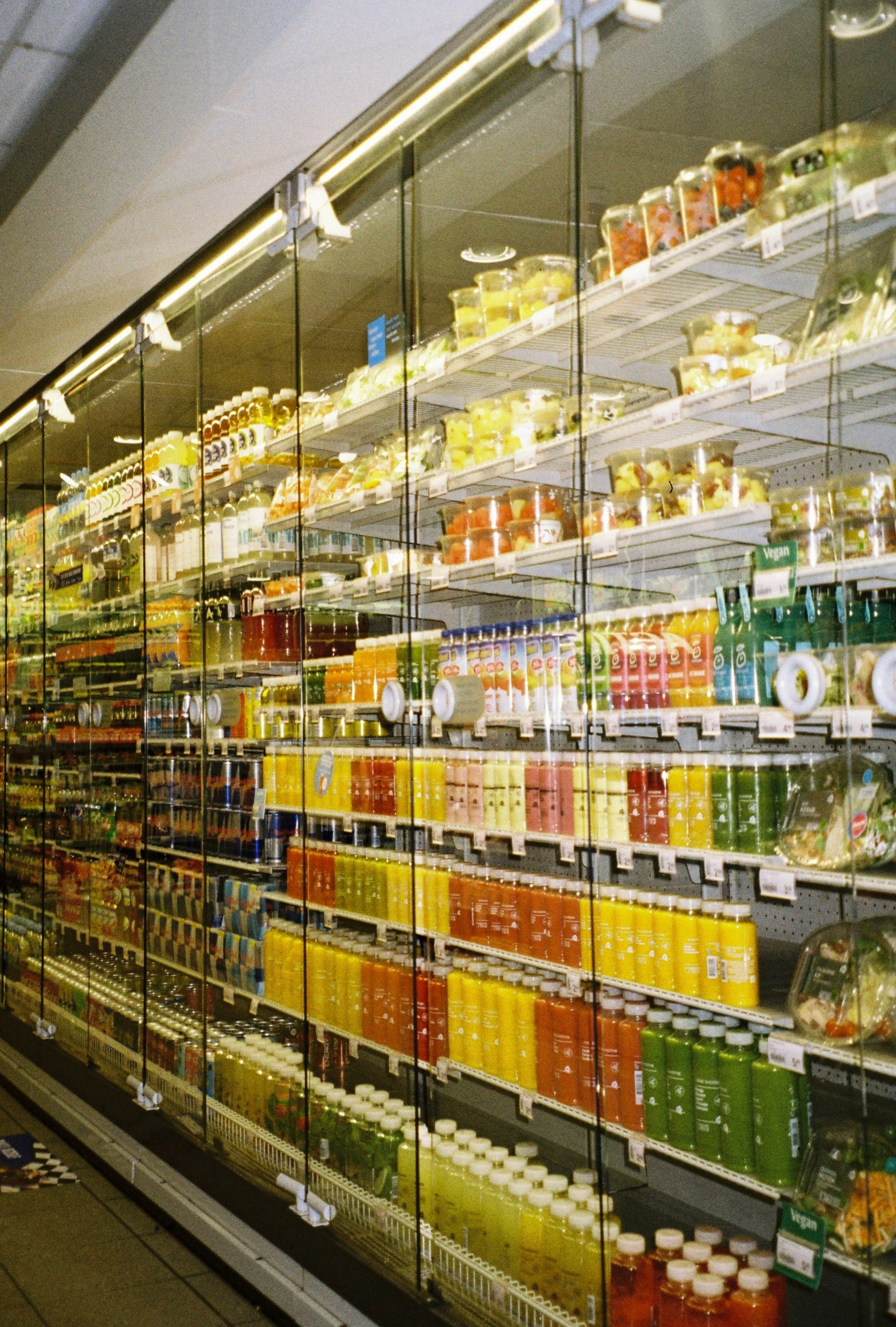
Sugra hides in many foods - read labels carefully
Structure Your Routine - Eat regular meals with protein and fibre — it stabilises blood sugar and reduces cravings. Plan snacks ahead so you’re not reaching for whatever’s convenient.
Avoid multitasking while eating (like snacking while watching TV), which can lead to mindless sugar intake.
Prioritise Sleep - Lack of sleep increases hunger hormones and intensifies cravings. Aim for 7–9 hours of good quality sleep.
Identify Your Triggers - Notice when and why you crave sugar (boredom, stress, habit). Awareness helps break the cycle.
Reduce Gradually - Cutting sugar all at once can backfire. Slowly reduce portions and replace sugary snacks with healthier options.
Remember, cravings are normal, but they don’t have to control you. With small, consistent changes, you can find balance and enjoy sweetness in healthier ways.
Don’t forget to sign up here to receive the latest blog posts, recipes, and health tips.