
Why are women so exhausted? (And what might actually help)

If I had a penny for each time I said - or heard - something along the lines of “Oh dear, how has this year passed so quickly?”, I'd be writing this from the side of a pool in Malibu.
Is this because we forget what happened from one year to the next? Or is it genuinely true that time feels like it’s speeding up?
(I personally think it is - although I may well say that again next year.)
One thing is certain: I have never heard so many women say they’re exhausted. Shattered. Dead-tired. Alongside the weather, this is one the most frequent conversations I have. I see it reflected constantly on social media too - women struggling with persistent fatigue, wondering if it’s perimenopause, women at the end of their tether from juggling too much, surviving on barely enough sleep to sustain them.
What causes fatigue in women?
I don’t think there’s one single answer. It’s likely a combination of factors: relentless, anxiety-inducing news, the rising cost of living, the long tail of the post-Covid years, and of course, each person’s own personal circumstances.
From my perspective as a holistic health coach, I also see how much what we put in - and on - our bodies affects how we feel. Despite having unprecedented access to food and products, there has never been so much noise and conflicting advice online. It’s hardly surprising that many of us are not caring for our bodies as well as we could - and I say that without judgment.
My own social media feeds are filled with videos titled things like: “You’re not aging properly if you’re doing this”, “This food is a silent killer”, “Oats are not a good breakfast”, “Apples spike your blood sugar” etc… No wonder people feel confused about what to eat.
Much of this isn’t evidence-based, and often comes from people without the appropriate qualifications - but that’s a topic for another day.
Another pattern I see, particularly for women, is that we’re pulled between two opposing messages, both heavily promoted in society and online.
On one hand, there’s a stronger call than before to prioritise our health and wellbeing - to rest, to slow down, and not to feel guilty for doing so. That’s a positive shift.
On the other hand, we’re still surrounded by stories of women who seem to “have it all” - building successful businesses, raising their children, maintaining friendships, nurturing their relationships, and investing in personal growth.
That tension is real. I'll admit I often feel it myself. Deep down, I would like to have my cake and eat it too - but that’s rarely sustainable.
This isn’t to say you can’t be successful and take care of yourself. You absolutely can. But we’re often drawn to extremes, and forget there’s a third way - one that allows wellbeing and ambition to coexist, without burning ourselves out in the process.
Exhaustion doesn’t usually come from one catastrophic mistake. It builds gradually - through skipped meals, broken sleep, constant mental load and saying yes too often.
The good news is that energy can be rebuilt in the same steady way. Not through extremes, but through simple, daily habits that stabilise your body and calm your nervous system.
Here are a few that I’ve seen make a meaningful difference.
Nutrition: stabilise energy first
When women say they’re exhausted, blood sugar instability is often part of the picture. Not always — but often.
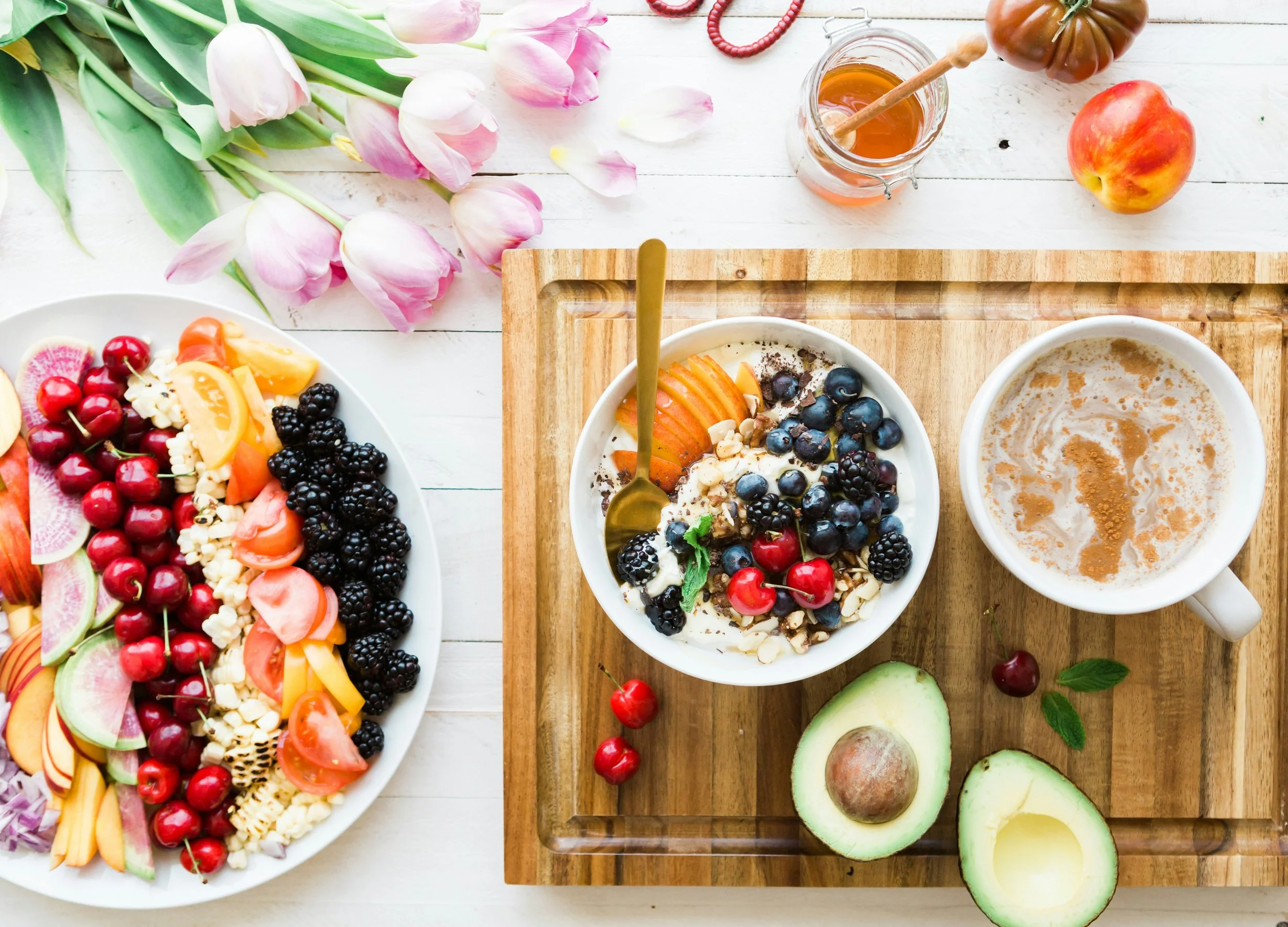
Eat protein at every meal (eggs, Greek yoghurt, tofu, chicken, lentils, fish). Protein stabilises blood sugar and helps prevent the mid-morning and mid-afternoon crashes.
Don’t rely on caffeine to replace food. Coffee on an empty stomach, then “grabbing something later” is extremely common. It pushes stress hormones up and can worsen anxiety and energy crashes later. Try to eat something within an hour of waking - even if it’s small.
Eat proper, balanced meals, which contain protein, fibre (fruit and veg, wholegrains, pulses) and healthy fats
Protect your sleep
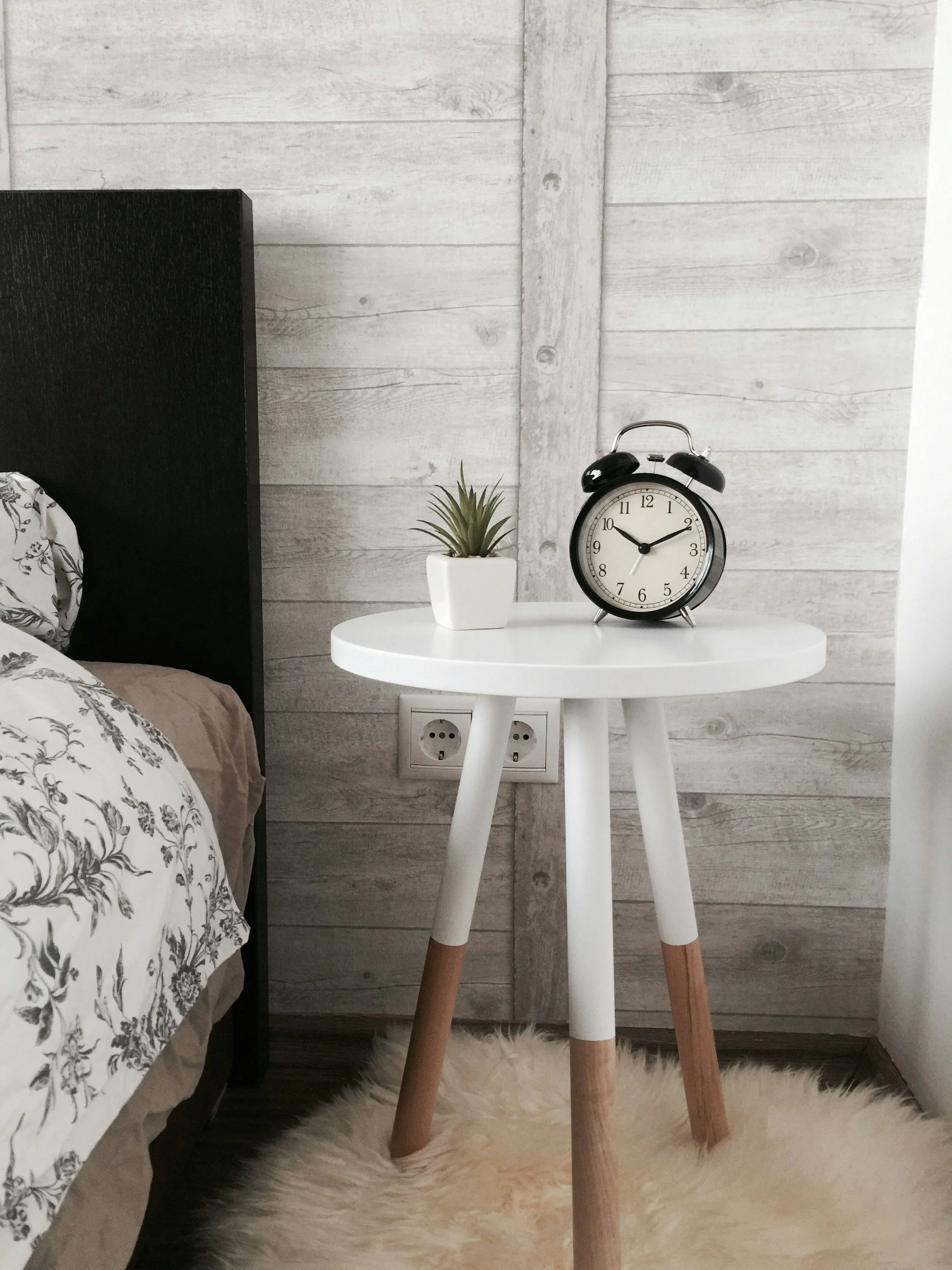
Set a realistic bedtime. If you need to be up at 6:30am, scrolling until midnight is a choice that compounds over weeks.
Create a wind-down evening routine. Aim for at least 30 minutes without screens. Low lights, calm activity (reading, knitting, gentle stretching, listening to a podcast, journaling, meditating…)
If you wake up regularly during the night, investigate a little: that could be linked to stress, alcohol, blood sugar dips, hormonal shifts. Late heavy meals, going to bed overtired, having alcohol in the evening - see where you can tweak things.
Stress: lower the baseline
Many women aren’t just tired - they’re wired and tired.
Stop “coping”, it isn’t the same as thriving. Just because you can push through doesn’t mean you should.
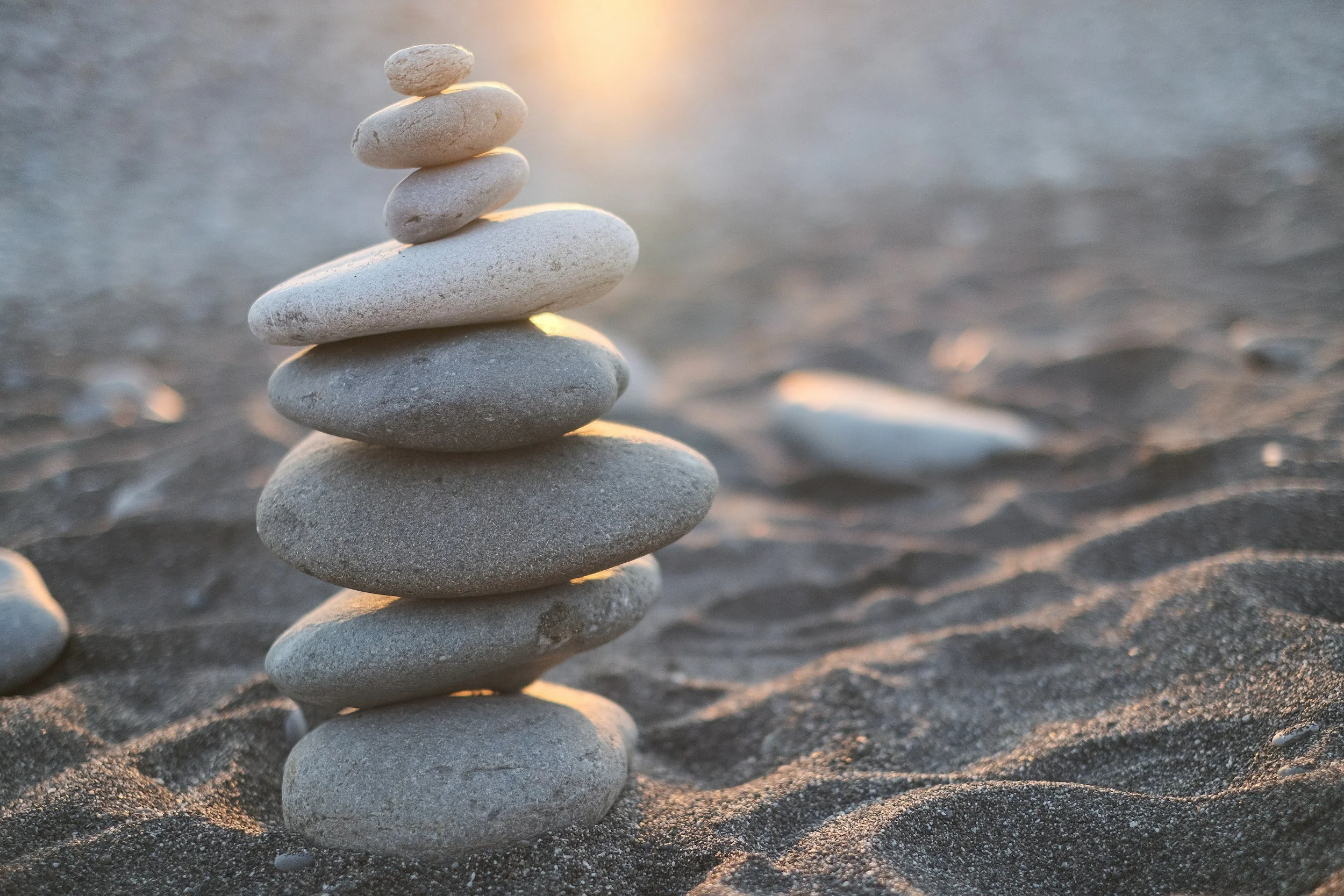
Embrace the power of micro-breaks: 5 deep breaths before opening your laptop, 5 minutes stretch every hour, a 10-minute walk after lunch. These tiny resets are extremely powerful.
Say no earlier. Establish boundaries, especially if you’re a people pleaser.
Rarely is exhaustion caused by one dramatic issue. It’s usually an accumulation of small imbalances — blood sugar dips, inconsistent sleep, chronic low-level stress, unrealistic expectations.
And the good news? Small, consistent changes often make a bigger difference than extreme overhauls.
As a health coach, my role isn’t to hand out rigid plans or cut out half your food cupboard. It’s to help you identify what’s draining your energy specifically — and support you in making sustainable shifts that work in real life.
If this resonates, I offer 1:1 coaching for women who want to restore their energy in a realistic, sustainable way. You can find more details here, or contact me to find out more.