
What Should I Actually Eat? A Simple Guide to Building a Healthy Meal
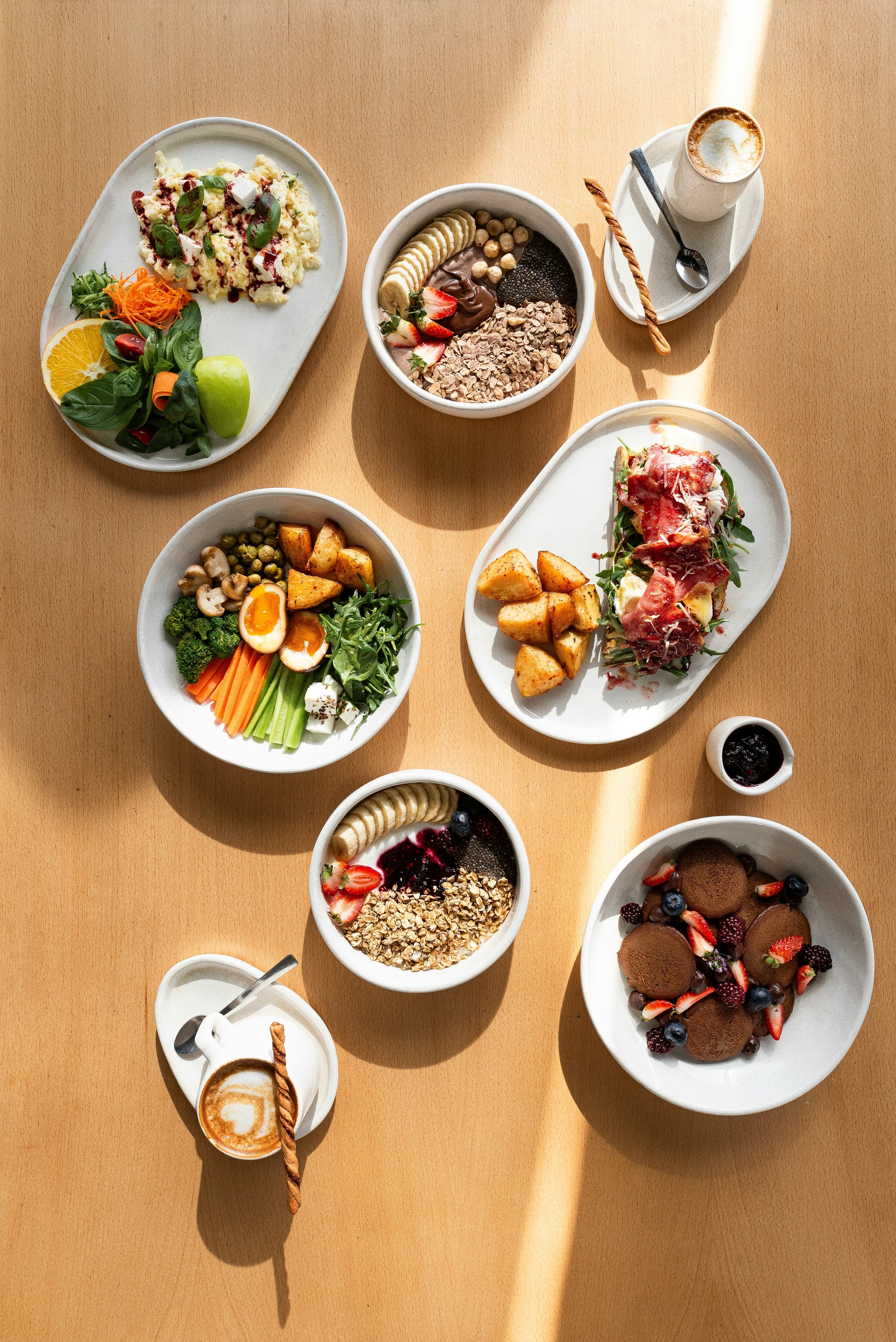
If you’ve ever stood in your kitchen at mealtimes wondering what on earth you’re supposed to eat, you’re not alone. Full disclosure: that happens to me a lot, even though I have a good knowledge about healthy eating…
And if you go online to find some answers, it gets worse! Eat more protein. Cut carbs. Eat more fibre. Avoid ultra-processed foods. Don't eat after 7pm. Have a smoothie. Don't have a smoothie. It can feel like every time you open Instagram, there’s a new rule about what you should or shouldn’t be eating.
No wonder so many of us end up thinking: but what should I actually eat?
The good news is that healthy eating doesn’t have to be complicated. You don’t need to count every calorie, follow a strict meal plan or make every meal from scratch.
Instead, it can help to think about a few basic building blocks.
So, what makes a healthy meal?
A balanced meal will usually contain a source of protein, fibre-rich carbohydrates, vegetables or fruit, and some healthy fats.
You don't necessarily need all four in exactly the same proportions every time, and you certainly don't need to measure them. Think of them as ingredients that help your meal keep you satisfied and provide your body with the nutrients and energy it needs.
Start with protein
Protein helps keep you fuller for longer and is important for maintaining muscle, amongst many other things.
Good sources include eggs, Greek yoghurt, cottage cheese, fish, chicken, tofu, beans, lentils, chickpeas, nuts and seeds.
For example, scrambled eggs on wholemeal toast is a different kind of breakfast from toast with jam. Both are absolutely fine foods, but the eggs add protein and are likely to make the meal more satisfying.
Or take lunch. A bowl of tomato soup and a slice of toast might leave you rummaging through the biscuit tin an hour later. Add some lentils or beans to the soup, have some cheese or hummus on your toast, or add a couple of eggs on the side, and you have a much more substantial meal.
You don't have to eat huge amounts of protein either. The aim is simply to include a source regularly rather than leaving it until dinner.
Don't forget carbohydrates
Carbohydrates sometimes get a bad reputation, but they are an important source of energy. Your body and brain need them, particularly if you're active. That means there's no need to fear potatoes, rice, pasta, oats or bread.
The type you choose can make a difference. Wholegrain bread, brown rice, wholewheat pasta and oats provide more fibre than their refined counterparts, while potatoes with their skins on are also a good source of fibre.
And you don't have to choose wholegrains every single time.
A jacket potato with tuna, sweetcorn and salad is a perfectly good lunch. So is a bowl of pasta with tomato sauce, vegetables and chicken or lentils. You don't need to turn it into a low-carb meal to make it healthy.
Add some fruit or vegetables
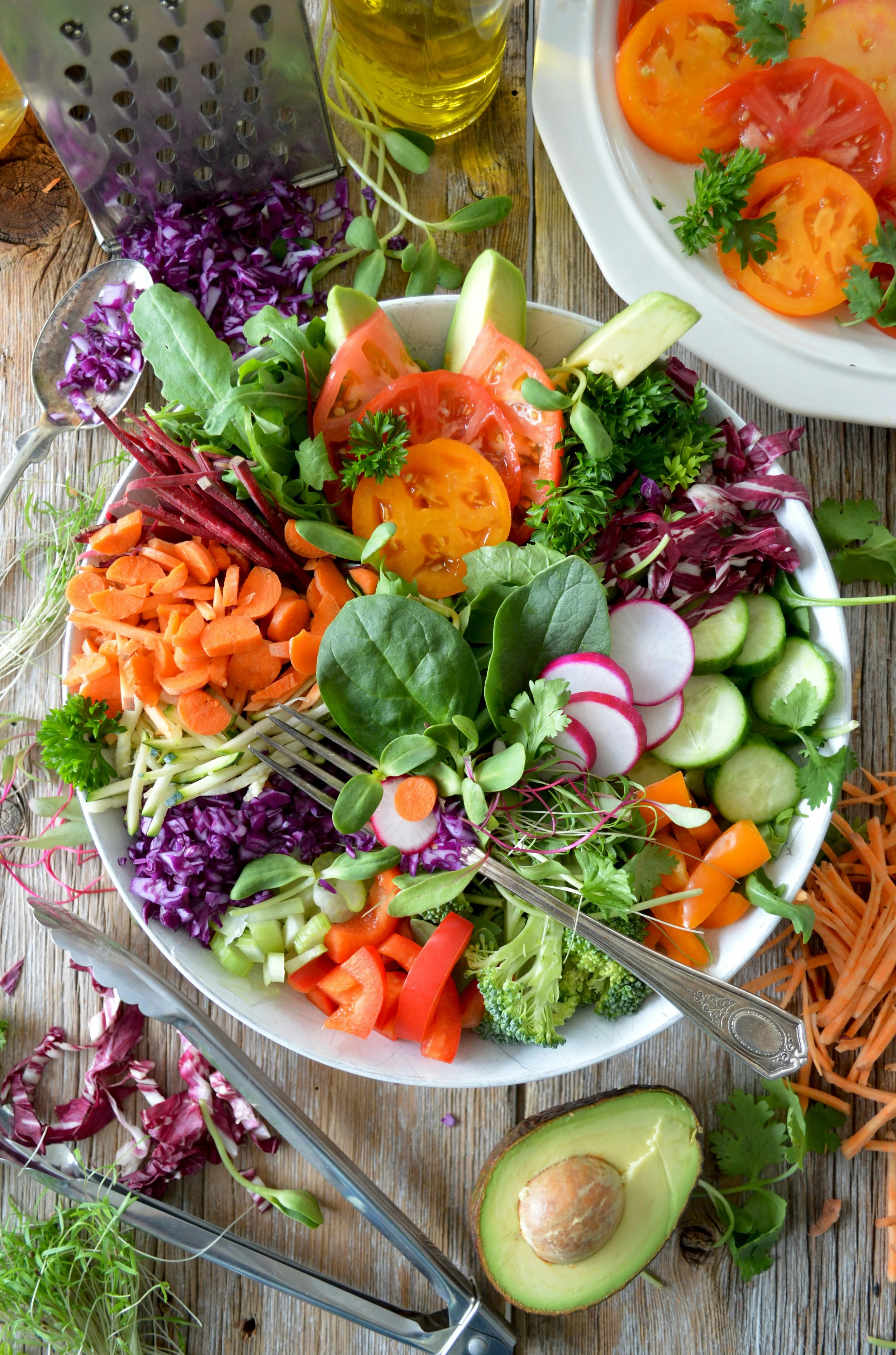
This is probably the simplest part: aim to include some plants in your meals.
It doesn't have to mean an enormous salad or a plate piled high with vegetables. Frozen peas count. Tinned tomatoes count. A handful of spinach stirred into your pasta counts. A banana on your porridge counts.
Think about what is realistic for you.
If you're making spaghetti bolognese on a Tuesday evening, adding some grated carrot, mushrooms and peppers to the sauce is an easy way to increase the vegetables without creating another meal to prepare.
If you're having a jacket potato, you could add some leftover roasted vegetables or have some cherry tomatoes and cucumber on the side.
And if you're having breakfast at your desk, a banana or some berries alongside your yoghurt and oats is still a useful contribution.
Include some healthy fat
Fat is another nutrient that has spent far too long being treated as the enemy.
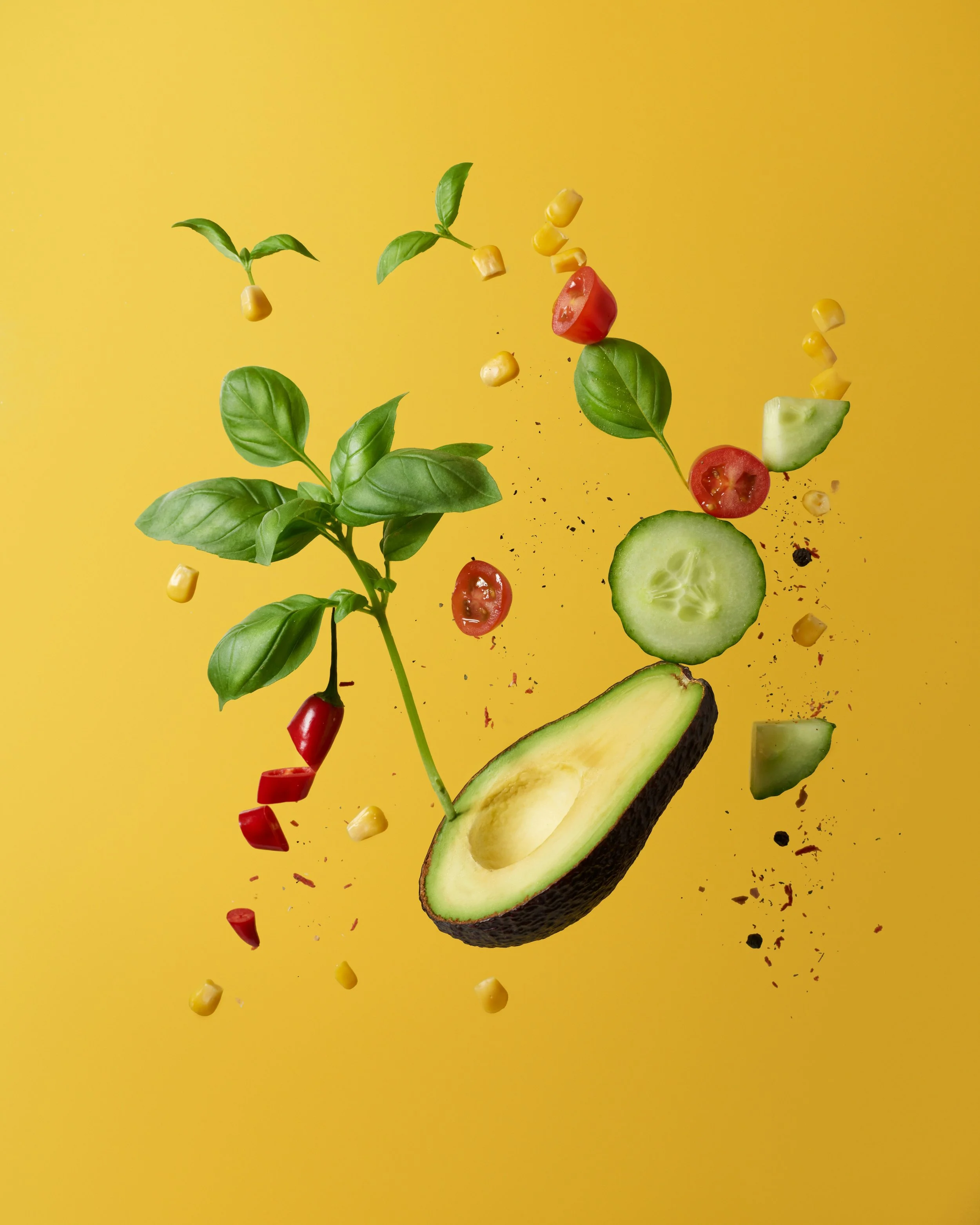
Olive oil, nuts, seeds, avocado, oily fish and foods such as natural nut butter can all be part of a healthy diet.
Fat also helps make meals more satisfying, so don't feel that you need to eat everything “low fat” to eat well.
A drizzle of olive oil over your vegetables, some seeds on your porridge or a spoonful of peanut butter on toast can all be simple ways to include it.
What does this look like in real life?
Let's say you're working from home and realise at lunchtime that you've got 15 minutes before your next meeting.
You could have toast with hummus, a couple of boiled eggs, some cherry tomatoes and a piece of fruit. No recipe required.
Or perhaps you're at work and your usual lunch is a supermarket sandwich. That's not a problem. You could choose one with a good protein filling, add a piece of fruit and perhaps a yoghurt or some vegetable sticks. You don't need to make your lunch from scratch for it to count as a healthy meal.
Dinner can be just as simple.
Imagine you're making fajitas for the family. You've got chicken or beans, peppers and onions, wholemeal wraps, some grated cheese and salsa. Add some avocado or a little yoghurt and you've got a balanced meal that everyone can adapt to their own taste.
And yes, you can have a pudding afterwards.
Healthy eating isn't about making every single meal nutritionally perfect. It's about what you do most of the time.
What about snacks?
Snacks can be useful, particularly if there's a long gap between meals or you're genuinely hungry.
Rather than thinking about snacks as something you have to “be good” or “be bad” with, think about what would actually satisfy you.
An apple on its own might be enough if you're only a little hungry. If you've got a busy afternoon ahead, you might be better with an apple and some peanut butter, or Greek yoghurt with berries and a few nuts.
And sometimes you might fancy a biscuit with your afternoon tea. That's fine too.
I personally have a snack every afternoon, sometimes it’s fruit and nut butter, sometimes a couple of biscuits, sometimes an energy ball if I’ve made a batch that week, sometimes yoghurt with some nuts and seeds.
And what about treats?
This is where healthy eating often becomes unnecessarily complicated.
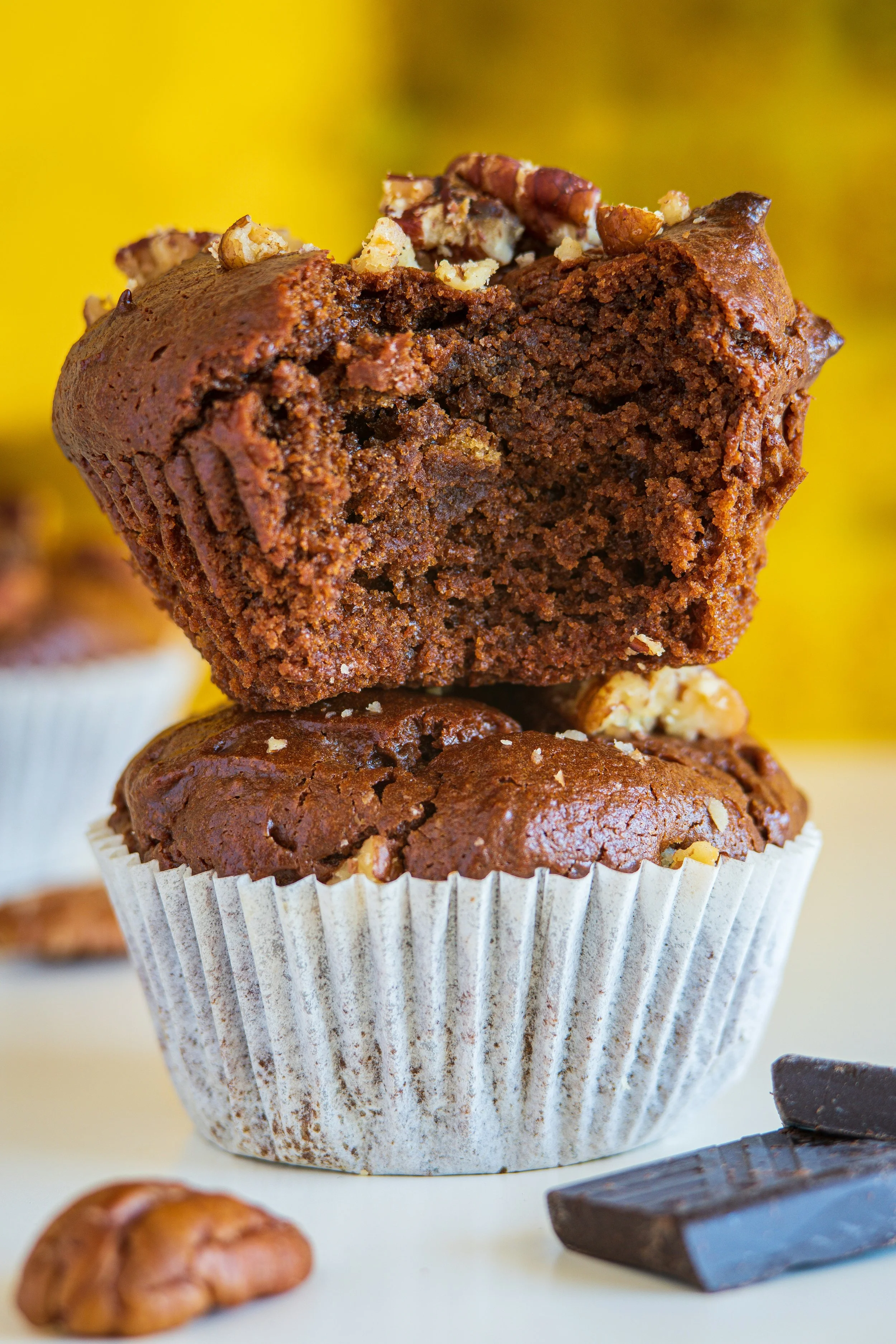
Chocolate, cake, crisps, ice cream and the occasional takeaway can all fit into a healthy diet.
You don't need to earn them by exercising, compensate for them by skipping your next meal, or feel guilty afterwards.
If you have fish and chips on Friday night, you haven't “ruined” your healthy eating. It's simply one meal.
The bigger picture matters much more than what you ate on Tuesday evening.
The real challenge: knowing what works for you
The basic principles of healthy eating are actually fairly straightforward. The tricky bit is working out how to apply them to your life.
Maybe you know you should eat more protein, but you're vegetarian and bored of eating eggs. Maybe you want to eat more vegetables but you're feeding two children who reject anything green. Perhaps you're always starving at 4pm because lunch isn't keeping you going. Or maybe you eat well during the week but find yourself constantly picking at food in the evening because you're exhausted.
There isn't one perfect meal plan that solves all of those problems. Your food choices need to fit your preferences, your routine, your budget, your family, your goals and your actual life.
That's why I don't believe in giving people a long list of foods they “should” and “shouldn't” eat.
I'd much rather help you understand what your body needs and find simple ways to make that work in your everyday life.
So, what should you actually eat?
If you take nothing else from this article, start here:
Build most of your meals around a source of protein, some fibre-rich carbohydrates, fruit or vegetables, and a little healthy fat.
Then look at the bigger picture. Are your meals keeping you satisfied? Are you getting enough variety? Are you eating enough to support your energy? Does your food actually fit your life?
And remember that healthy eating doesn't have to mean eating “perfectly”.
Sometimes it's a colourful homemade dinner. Sometimes it's beans on toast with some fruit afterwards. Sometimes it's leftover pasta for lunch. Sometimes it's a sandwich eaten at your desk. And sometimes it's fish and chips with the family.
They're all just food.
Still wondering, “OK… but what should I actually eat?”
That's exactly why I created WTF Should I Eat?
It's a one-to-one session where we cut through the nutrition noise and look at what actually makes sense for you — your food habits, your routine, your goals and the things you're struggling with.
No strict meal plan, no food rules, no guilt.
Just practical, evidence-based guidance to help you feel more confident about what's on your plate.
If that sounds like something you could use, you can find more information here.