
What to Eat on GLP-1 Medications
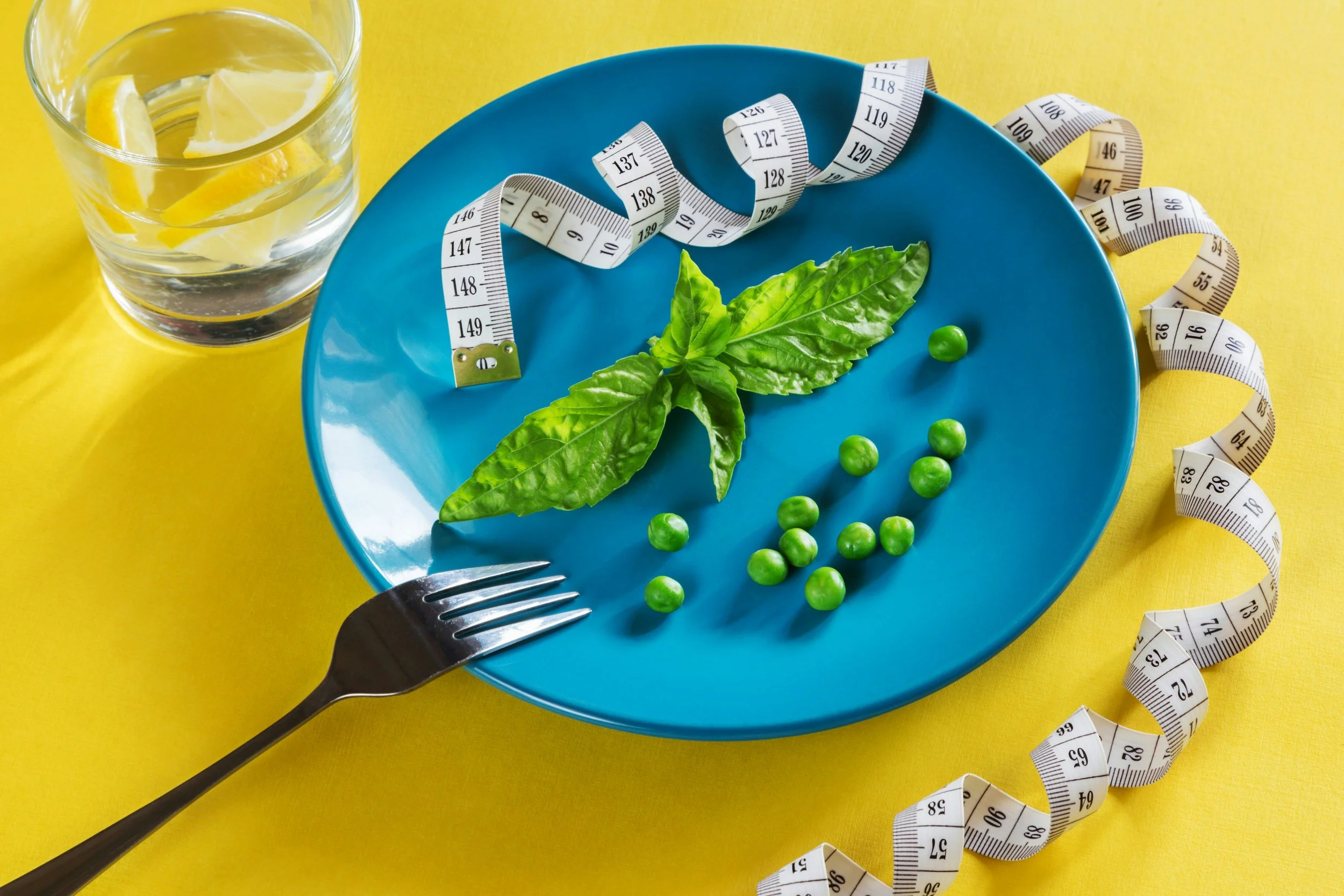
If you’re taking GLP-1 medications such as Ozempic or Mounjaro, you may notice a significant reduction in appetite. For many women, this helps with weight loss — but it can also create confusion about food.
If you’re wondering what to eat on GLP-1, the answer is simple: focus on balanced, nutrient-dense meals that support energy, muscle health and digestive health.
GLP-1 medications reduce appetite, but your body still needs proper nutrition. What you eat matters more than ever. This guide will help you simplify nutrition, prevent common side effects, and feel confident about your food choices.
Why Nutrition Still Matters on GLP-1
Although appetite decreases, your nutritional needs do not. Your body still requires:
Adequate protein to maintain muscle
Fibre to support digestive health
Essential vitamins and minerals
Proper hydration
Enough energy to prevent fatigue
When food intake drops significantly, it becomes easier to under-eat without realising it. Over time, this can lead to low energy levels, muscle loss, digestive issues and reduced metabolic health.
Instead of focusing on eating less, the goal should be eating well. Food quality becomes especially important while taking GLP-1 medications.
The Biggest Mistake: Eating Too Little or Choosing Low-Nutrient Foods
Because appetite is reduced, many people unintentionally skip meals, eat very small portions without balance, rely on convenience foods, avoid protein-rich meals or under-fuel throughout the day.
While understandable, this approach can contribute to fatigue, muscle loss, slower metabolism, constipation, energy crashes, poor long-term results.
Sustainable weight loss is not just about the number on the scale. It’s about protecting muscle, supporting energy and maintaining health.
Working with a qualified nutrition coach can help ensure your plan supports both your medication and your long-term wellbeing.
The 3 Key Priorities on GLP-1
When simplifying what to eat on GLP-1, focus on three foundations:
1. Protein
Protein is essential because it helps preserve muscle mass, support metabolism, improve fullness, stabilise energy and reduce cravings. Since overall food intake may be lower, protein becomes even more important.
Include a source of protein at every meal: eggs, Greek yoghurt, chicken, fish, tofu, tempeh, lentils, cottage cheese are great options.
2. Fibre
Fibre supports digestive health, regular bowel movements, gut balance and blood sugar stability.
Constipation is a common side effect of GLP-1 medications. Increasing fibre gradually can help reduce this.
Good sources include vegetables, fruits, whole grains, seeds and legumes.
3. Hydration
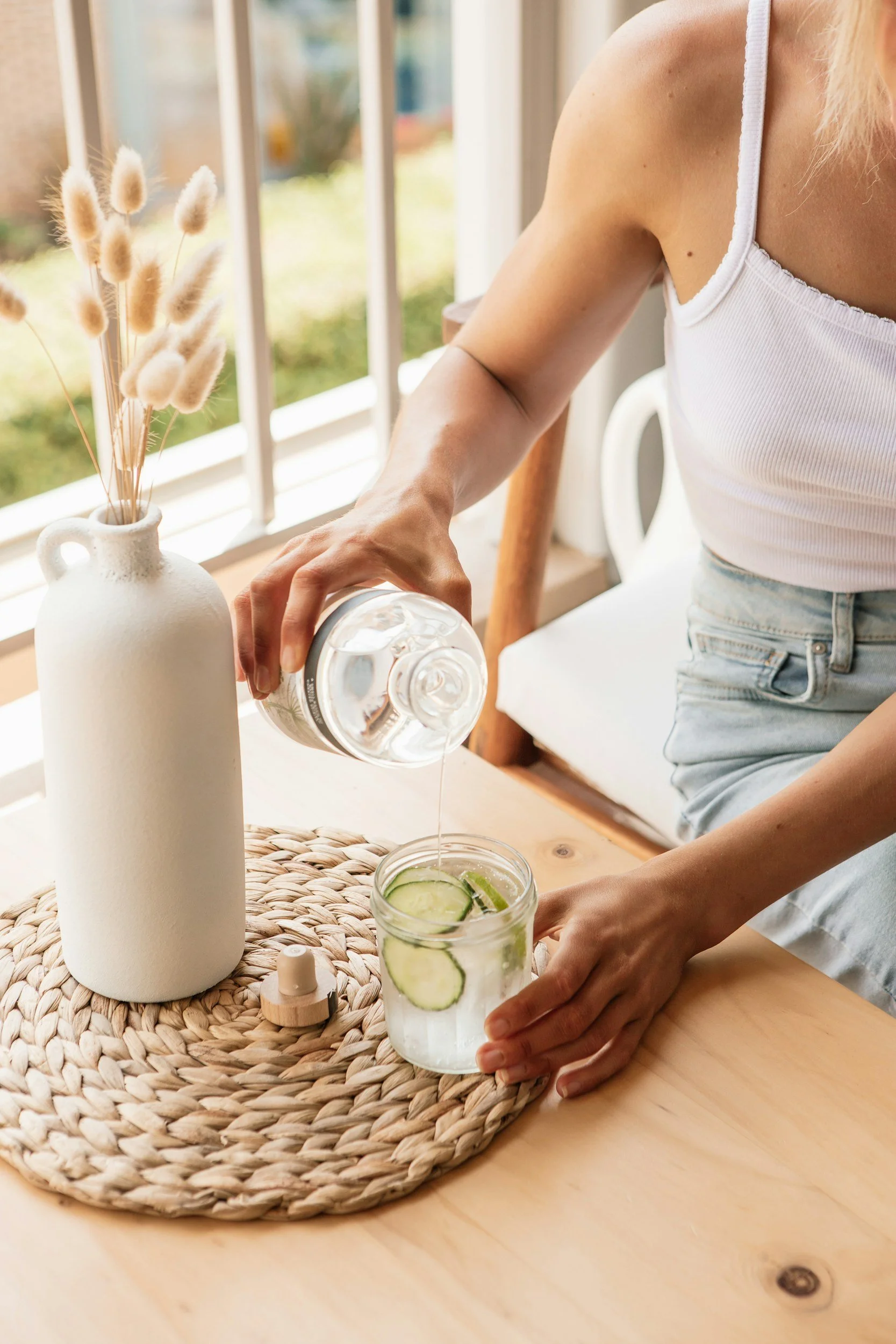
Slower digestion can make hydration especially important. Drinking enough fluids helps with energy levels, digestive comfort, constipation prevention and overall wellbeing.
Sometimes fatigue is linked to mild dehydration rather than food intake alone.
What to Eat on GLP-1: A Simple Meal Framework
Instead of large meals, aim for small, balanced meals. Here is a structure to help you build your plate: Protein + Fibre + Healthy Fats
This combination supports digestion, satiety and steady energy.
Simple meal ideas:
Greek yoghurt with berries and seeds
Eggs with avocado and wholegrain toast
Grilled chicken with vegetables and olive oil
Tofu with rice and stir-fried vegetables
Cottage cheese with fruit and nuts
Meals do not need to be complicated. Consistency matters more than perfection.
If you would benefit from personalised guidance, working with a health and nutrition coach can help you build a sustainable plan tailored to your needs.
Managing Common GLP-1 Side Effects Through Food
Nutrition can play a supportive role in reducing side effects.
Nausea
To help manage nausea, eat smaller meals, choose simple, easy-to-digest foods, limit very high-fat or heavy meals. Gentle foods such as toast, yoghurt, eggs or soups may feel more comfortable.
Constipation
To support digestive health, increase fibre gradually, drink sufficient fluids, include vegetables, fruits and seeds, and move regularly.
Fatigue
Fatigue may occur if you are not eating enough overall, protein intake is low, meals are not balanced, or hydration is insufficient. Ensuring each meal contains protein can help stabilise energy levels throughout the day.
Foods to Be Mindful Of on GLP-1
This is not about strict restriction. It is about awareness. Some foods may be harder to tolerate or may worsen symptoms: very greasy or high-fat meals, highly processed foods, sugary foods that lead to energy dips.
You do not need to eliminate these completely. However, prioritising balanced meals most of the time will better support your results and how you feel.
Sustainable change is built on consistency, not extremes.
Why Personalised Support Makes a Difference
Every woman responds differently to GLP-1 medications. Some struggle with appetite regulation. Others experience digestive changes, muscle concerns or low energy.
Because of this variability, personalised guidance can be extremely valuable. Working with a health coach ensures your plan is tailored to your body, lifestyle and goals.
As a health coach, I work with women taking GLP-1 medications to protect muscle mass, increase energy levels, strengthen digestive health and develop sustainable eating habits that last beyond medication.
Whether you are looking for guidance on your diet or structured support through nutrition and lifestyle advice, personalised coaching helps turn information into action.
GLP-1 can support weight loss, but lasting results are shaped by the nutrition and lifestyle habits that support your overall health.
Key Takeaway
If you are wondering what to eat on GLP-1 medications, focus on:
Balanced meals
Adequate protein
Fibre for digestive health
Proper hydration
Nutrient-dense foods
You do not need to eat large portions — but you do need to eat intentionally. The goal is not just weight loss. The goal is strength, energy and long-term wellbeing.
Explore nutritious, easy-to-make recipes designed to support healthy, sustainable eating habits.

FAQ
Do I need to eat less on GLP-1?
Your appetite may decrease, but your body still needs enough nutrients to function properly.
Why do I feel tired on GLP-1?
This is often due to under-eating or not getting enough protein and balanced meals.
What helps with nausea on GLP-1?
Smaller meals, simple foods and staying hydrated can help manage symptoms.
Can a health coach help while on GLP-1?
Yes. A health coach can help ensure you are eating enough, managing side effects and maintaining long-term results.